
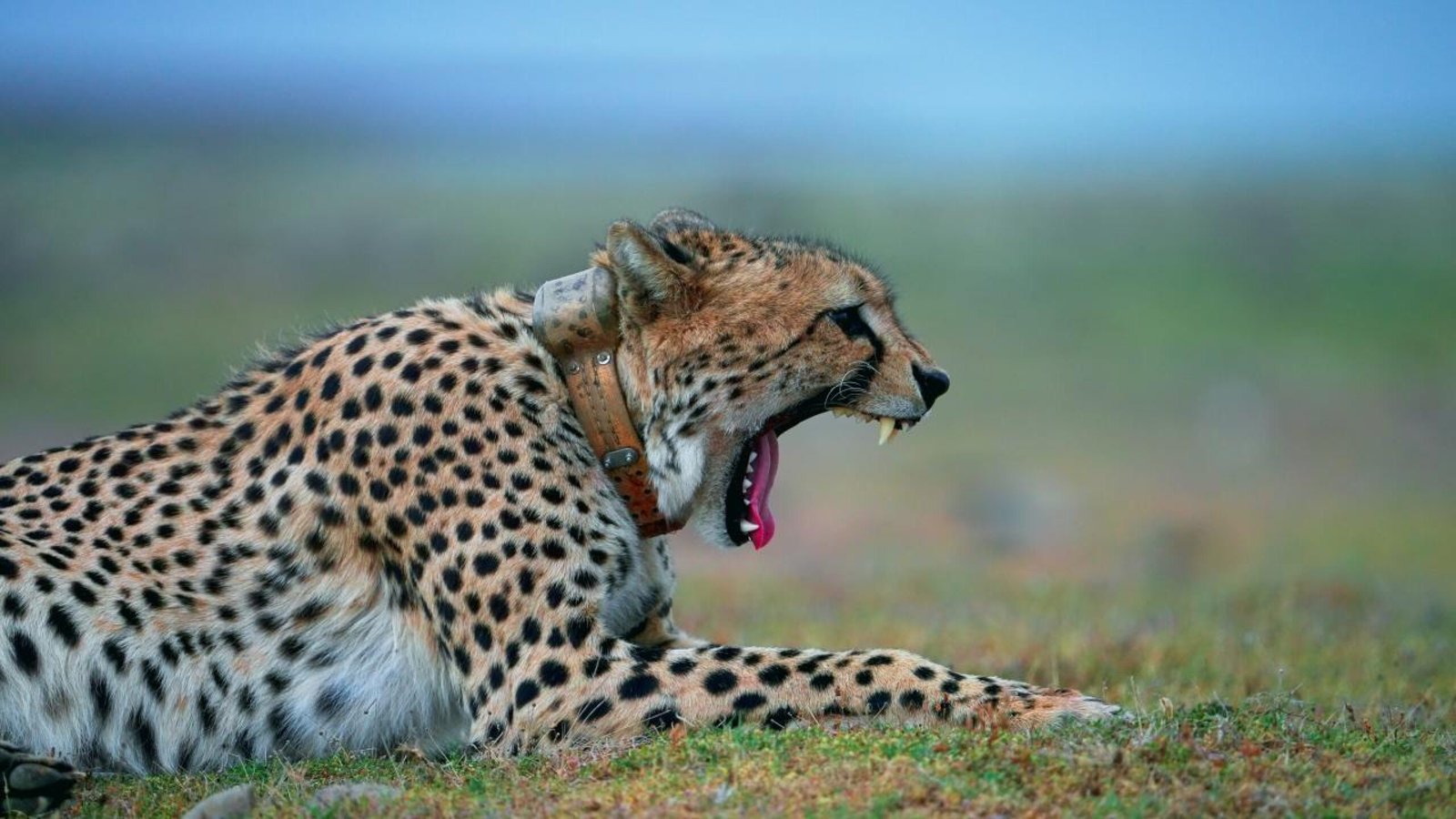
Camera-trap studies have shown cheetahs reduce indirect competition with predators by spatially and temporally partitioning their habitat.
Kuno National Park’s cheetahs are slowly being educated on a prime survival lesson that in the forest, sharing space doesn’t always mean battling its other carnivores.
But recent monitoring shows the few reintroduced cheetahs are using some of the same areas as leopards and striped hyenas. The animals usually pass through these areas at different times, thereby preventing dangerous encounters face to face.
Cheetahs are designed for speed not a duel, which is why such behaviour is paramount. A hyena will take a cheetah’s kill; the leopard is stronger up close. Cheetahs can time their hunts so as not to attract competition.
The cheetah was reintroduced to India under the first phase of a multi-step plan in September 2022 when eight cheetahs were flown from Namibia and released at Kuno National Park of Madhya Pradesh. This large population of cheetahs is now gradually getting dispersed in Kuno and Gandhi Sagar Wildlife Sanctuary.
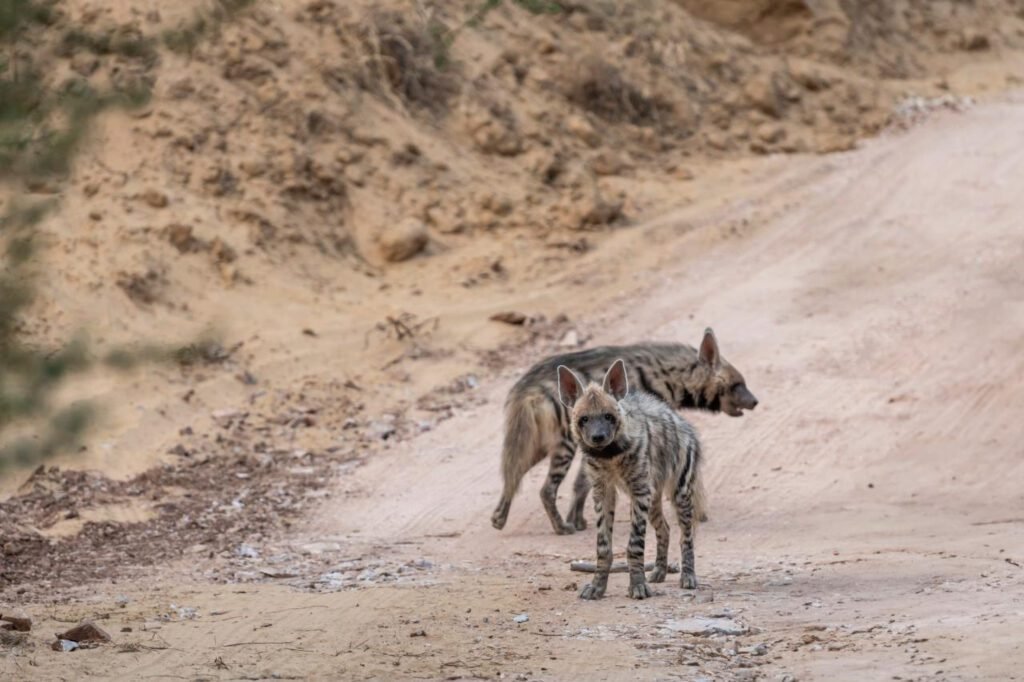
The Wildlife Timetable Revealed by Camera-traps
To find out how the two predators are sharing the landscape, wildlife authorities set up camera traps in both reserves.
These are the cameras which capture when cheetahs, leopards, striped hyena, golden jackal, jungle cats and other carnivores pass through specific sites. The images span various life stages and assist researchers in examining their movement, environmental distribution and activity patterns without the need to physically capture the animals.
The patterns reveal some minor overlap of cheetah with their key competitors, more at dawn and dusk. This means that many predators could be active at the same time to hunt during these cooler hours. Nevertheless, their movements are not completely identical, thus likely avoiding routine clash.
For conservationists, this is an encouraging development.
However, the number of animals released, or cubs born have never been an accurate measure of the success of India’s cheetah project, it will depend on whether cheetahs, already in deeply compromised populations, can hunt and breed and otherwise develop within an ecosystem that has a history of holding predators.
But, of course, Kuno’s cheetahs aren’t inhabiting a landscape created just for them. They are moving into a chain with its own unwritten rules. This simple ability to share space without continuous fighting could emerge as one of the strongest indicators that the world’s fastest land animal is beginning to find its place in India again.