
Untamed Wilderness.
Holistic Experiences.
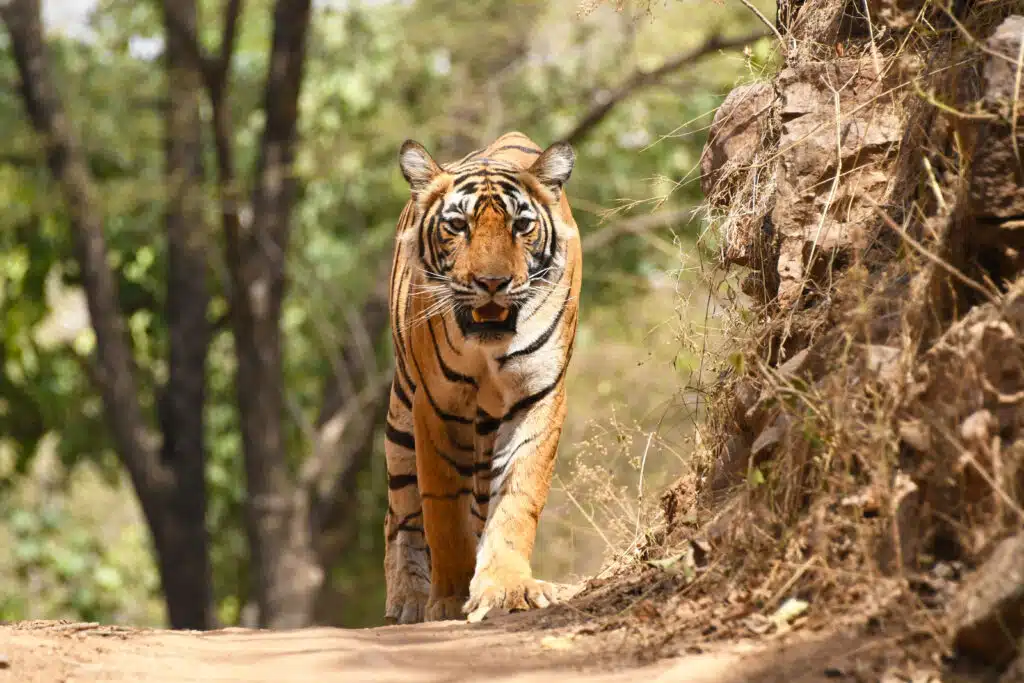
India, also known as the land of tigers, is home to about seventy percent of global wild tiger reserves.
India's vast geographical diversity from marshy mangroves to dry deciduous woodlands supports some of the best thriving tiger reserves on the planet.
Enquire your tiger tour now.
Best Tiger Safari in India
TOP 8 PLACES TO SEE TIGERS IN INDIA
Out of 9 subspecies of tigers in the entire world, 3 are entirely extinct from the wild. This limits only a few destinations in the wild to see this majestic beast in all its royal glory. Out of these 6 extant subspecies of tigers one thrives in the wild, the one and only Royal Bengal Tiger, thanks to the continuous and relentless efforts of conservation of this big cat.
Our team has assembled a list of the top seven places for wild tiger sightings in India, offering travellers the best opportunities to encounter the majestic Royal Bengal Tiger in its natural habitat.
Madhya Pradesh

Bandhavgarh
National Park
Renowned for its dense tiger population, nestled in the Vindhya Hills of Madhya Pradesh, this park is one of the top places to witness the majestic Royal Bengal Tiger in its royal glory.
The name Bandhavgarh is made up of two words Bandhav meaning brother and garh meaning fort which translates to brother’s fort. This park is also known for its legendary fort where legend has it that lord Ram gifted this fort to his brother Lakshman on their epic journey to Lanka. Though the fort now lies in ruins, it’s presence adds a mystical charm to the park’s wild terrain.
Bandhavgarh is also a biodiversity hotspot which means you get to encounter a vast range of flora and fauna from lush sal and bamboo forests to open grasslands. Apart from iconic Royal Bengal Tiger this park also hosts a wide variety of wildlife from leopards, wild boars, sloth bears, Indian bison, spotted deer, sambar deer to 250 species of birds gracing the sky adding a delight for birdwatchers.
Park is open for tourists from the months of October to June, with March to May being the best months for wild tiger sightings. We recommend you take either early morning or evening safaris to maximize your chance to witness wildlife in its full action.
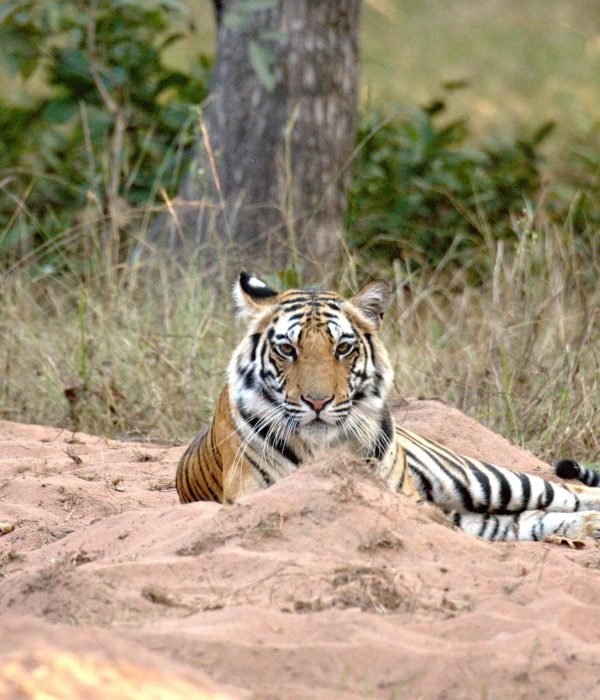
Best time to Visit for a Safari: October to June
Recommended Tour Duration: 3 Nights Minimum
Key Highlights: Tiger Safari, Bandhavgarh Fort, Ancient Manmade Caves and Shesh Shaiya
Best Way to Reach: Fly to Jabalpur and drive for 3 ½ hours to reach the National Park. Jabalpur is well connected from all major towns in India, hence making it an ideal town to reach Bandhavgarh National Park.
Top Places to Stay: Kings Lodge | Treehouse Hideaway | Bandhav Vilas
Rajasthan
Ranthambore
National Park
Formerly the hunting grounds of Maharajas of Jaipur. Ranthambore is now celebrated for its thriving tiger populations.
Spanning over an area of 392 square kilometres it is a perfect blend of history and wildlife. Ranthambore is a treasure trove for history buffs and nature aficionados, with its 10th-century fort, a UNESCO World Heritage site. Known for their boldness, tigers of Ranthambore are spotted roaming freely during the day making it one of the best places for wild tiger sightings.
October and June are the best time to visit this rich cultural and wonderful site with summer months maximizing the chances of tiger sightings.
While the tigers of Ranthambore dominate the limelight, it is also home to a plethora of wildlife species. Over 300 species of birds call this park their home, making it a delight for birdwatchers.
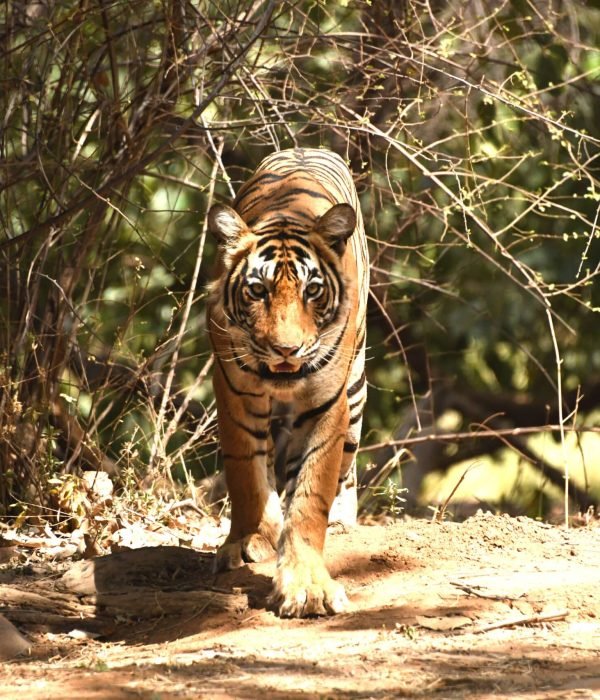
Best time to Visit for a Safari: Mid-October to June
Recommended Tour Duration: 3 Nights Minimum
Key Highlights: Royal Bengal Tiger, Slot Bears, Gharials, Ranthambore Fort, Jogi Mahal, Kachida Valley, Trinetra Ganesh Temple, Raj Bagh ruins, Surwal Lake, and Padam Talab
Best Way to Reach: Fly to Delhi and drive for 5 hrs to reach Ranthambore, Fly to Jaipur and drive for 2 hours and 30 minutes. Ranthambore is very well connected from Jaipur, Agra and Delhi by Road. Sawai Madhopur railway station is the nearest to Ranthambore approximately 10 km.
Top Places to Stay: Taj Sawai | Ranthambore Kothi | Ranthambore Regency
Maharashtra
Tadoba Andheri
National Park
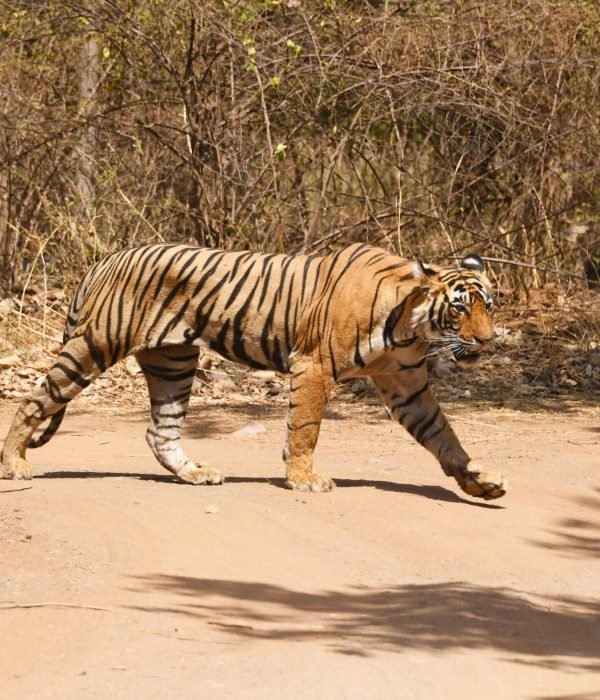
Known as the jewel of Vidarbha, Tadoba is worthy of mention for its flourishing tiger population and picturesque landscape. Stretching over approximately 1727 km, it is one of the oldest and largest tiger reserves in India. It was established as a national park in 1955 and was later merged with Andhari Wildlife Sanctuary in 1995 to form the present day Tadoba-Andhari National park under the project tiger initiative.
Tadoba Andheri is adorned with dense teak forests, serene water bodies and rugged hills. Such a diverse range creates a rich and thriving ecosystem for a wide array of flora and fauna to flourish. This reserve is most notably famous for its healthy tiger population, as of census of 2018 Tadoba has 88 wild tigers.
These royal beasts can often be seen cooling off near the numerous lakes, water holes and streams of Tadoba during the scorching months of summer. Tadoba is also home to other predators such as leopards, wild dogs and striped hyenas. Many crocodiles, monitor lizards and snakes are also spotted in various waterbodies of this rich ecosystem. The reserve is divided into several tourism zones, with Moharli and Kolara being the most famous.
Best time to witness the wilderness of Tadoba is from February to May when the heat forces the animals to gather around waterholes. We recommend early morning or evening safaris as they could be particularly rewarding as wildlife is most active during these cooler times of day.
Best time to Visit for a Safari: Throughout the year
Recommended Tour Duration: 3 Nights Minimum
Key Highlights: Tiger Safari, Black Leopard, Magan khadi & Ramdegi Temple
Best Way to Reach: Fly to Nagpur and drive for 3 hours to reach Tadoba National Park. Nagpur is well connected from all major cities in India.
Top Places to Stay: Svasara Safari Lodge | Wagobha Eco Lodge | Tadoba Jungle Camp
Uttarakhand
Jim Corbett
National Park
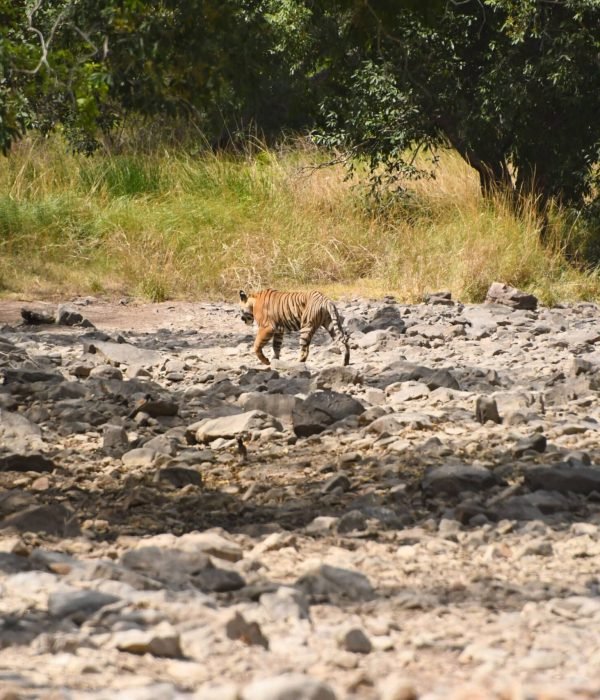
India’s oldest and most renowned national park, situated in the Nainital district of Uttarakhand, Jim Corbett National Park was established in the year 1936 as Hailey National Park later being renamed in the honour of legendary hunter turned conservationist, Jim Corbett. Unlike other national parks, this park holds the distinction of being the launch pad for Project Tiger in 1973, an iconic initiative taken to conserve this regal cat.
Stretching over 1318 kilometres this park is situated in the foothills of the Himalayan mountains. Jim Corbett is adorned with dense forests of sal, khair and sissoo, open grasslands and serene rivers. As of 2022 The Corbett Tiger Reserve had an impressive number of 260 tigers making it the only park with the highest number of tigers in India.
Beyond tigers, Jim Corbett also has a thriving population of leopards, sloth bears, and the rarely spotted fishing cats making every safari a thrilling experience. It hosts an impressive diversity of birds too with over 600 species gracing the skyline of this serene park. The Ramganga River, which flows through the park, adds vibrancy to its landscape and sustains its biodiversity.
The best opportunity to witness this flourishing ecosystem is between November and June as the park is closed during monsoons.
Best time to Visit for a Safari: November to June
Recommended Tour Duration: 3-4 Nights Minimum
Key Highlights: Wildlife Safaris: Opportunities to spot tigers, elephants, leopards, and various bird species. Bird Watching: The park is a haven for bird enthusiasts with over 600 species.
Best Way to Reach: The nearest airport is Pantnagar Airport, approximately 80 km from the park. Ramnagar Railway Station, about 12 km from the park, is the closest railhead. Ramnagar is well-connected by road to major cities like Delhi (260 km) and Dehradun (230 km).
Top Places to Stay: Forest Rest House | Corbett Leela Vilas | The Riverview Retreat | The Den Corbett | Camp Riverwild Resort | Manu Maharani Resort
Madhya Pradesh
Kanha
National Park
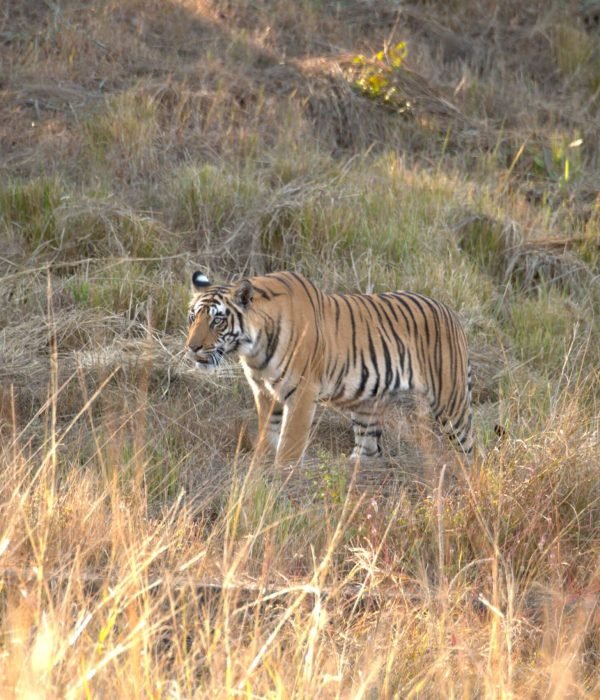
Located in Madhya Pradesh in India, Kanha National Park is a wildlife conservation area famous for having a good number of Bengal tigers. This unspoiled refuge covers 940 sq. miles and has Sal forests, grasslands and streams which are perfect for the regal cats.
Formed as part of Project Tiger in 1973, Kanha has emerged as a sanctuary where tigers are plentiful and have ample food in the form of chital, sambar and even the near threatened Barasingha only found here.
The population of tigers in the park has been counted to be between 80 and 100 cats and this is because of good management measures that include anti-poaching patrols and habitat management. These regal predators can be seen stalking their prey or lounging by water holes when spotted by visitors on jeep safaris as they have an orange and black coat that helps them to camouflage in the environment.
Along with tigers, Kanha supports leopards, sloth bears and more than three hundred bird species.
Kanha has successfully reintroduced the Barasingha which is encouraging. The park is considered a model of tiger conservation and is visited by tourists to admire its natural beauty and wildlife. Kanha is a clear testimony of the fact that nature is robust, and it needs protection from humans.
Best time to Visit for a Safari: October to June
Recommended Tour Duration: 3 Nights Minimum
Key Highlights: Tiger Safari, Sal Forest & Meadows, Barasingha, and over 350 species of birds.
Best Way to Reach: Fly to Jabalpur and drive for 3 hours. Jabalpur is also well connected to all the major cities in the country and hence can be conveniently reached through road.
Top Places to Stay: Taj Banjaar Tola | Singhinawa Jungle Lodge | Kanha Earth Lodge | Kanha Jungle Camp
Madhya Pradesh & Maharashtra
Pench
National Park
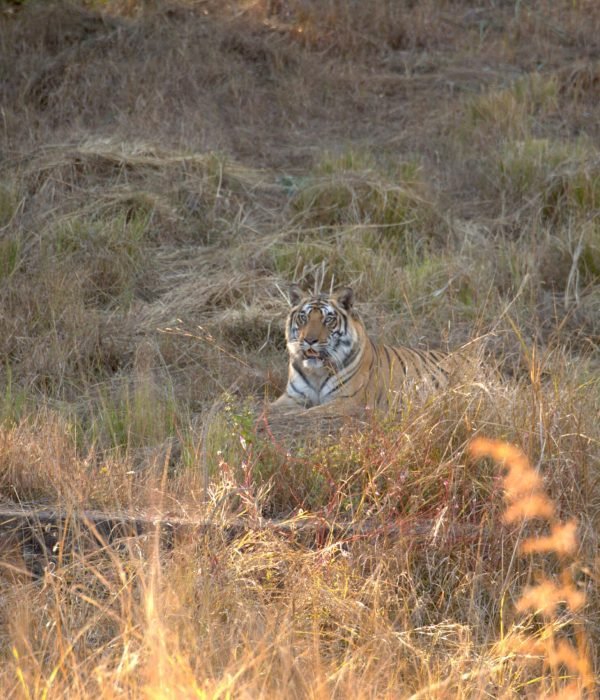
Pench National Park is a biodiversity gem covering 758 sq. km. located in both Madhya Pradesh and Maharashtra. The park is famous for having a thriving population of Bengal tigers, but it also supports leopards, Indian bison, spotted deer, wild boars and more than 300 species of birds including the crested serpent eagle and Malabar pied hornbill.
The Pench River is the source of life for this diverse ecosystem, meandering through the dense sal and teak forests, hills, and meadows.
Doing a tiger safari here by jeep or canter is an exciting exercise. Turia and Karmajhiri are core zones that offer high chances of tiger sightings with the help of experienced naturalists who can identify pugmarks and alarm calls. This diversity and richness of the ecosystem inspired Rudyard Kipling’s The Jungle Book.
The best time to travel is from mid-October to June. The best season to visit is winter (October-February) with pleasant weather (5°C-25°C) and less obstruction of the vegetation. Although it gets very hot (up to 40°C) in the summer period (March-June), the heat drives the tigers to water points such as the Pench River. The park is closed during the rainy season from July to September.
Best time to Visit for a Safari: October to June
Recommended Tour Duration: 3 Nights Minimum
Key Highlights: Tiger Safari, Leopards, Wild Dogs and Teak Forest
Best Way to Reach: Fly to Nagpur and take a road drive of 3 hours. Nagpur also makes for a convenient road trip destination as it is well connected to all major cities in India.
Top Places to Stay: Taj Baghvan | Jamtara Wilderness Camp | Pench Jungle Camp | Pench Tree Lodge
Madhya Pradesh
Satpura
National Park
One of the Central Indian’s most significant tiger habitats, Bori Wildlife Sanctuary and Pachmarhi Sanctuary, together encompass an area of 2,133 km² and form a crucial part of the Satpura Tiger Reserve since its establishment in 1981 in Mahadeo Hills of Madhya Pradesh.
The rugged landscape of deep valleys, sandstone peaks and dense sal and teak forests makes this park ideal territory for the majestic Royal Bengal Tiger. The terrain of the park varies from 300 to 1,352 meters in elevation and currently there are about 52 tigers that ambulate the area.
The topography and the biodiversity of the park are conducive to the growth of the Satpura range tigers. The commitment of the reserve towards tiger conservation has led to the creation of a protected corridor, so that these apex predators can continue to prosper along with other wildlife like leopards, sloth bears, gaur and wild dogs. You can see these rare big cats during jeep safaris or a boat ride on the Denwa River within the park.
The park’s walking safaris are quite uncommon to encounter tiger habitat on foot, but this is done with trained guides and proper safety precautions. The tiger population of Satpura can be regarded as a conservation success story in the context of the challenging central Indian landscape of tiger protection efforts and is therefore a necessary location for understanding tiger ecology in its natural environment.
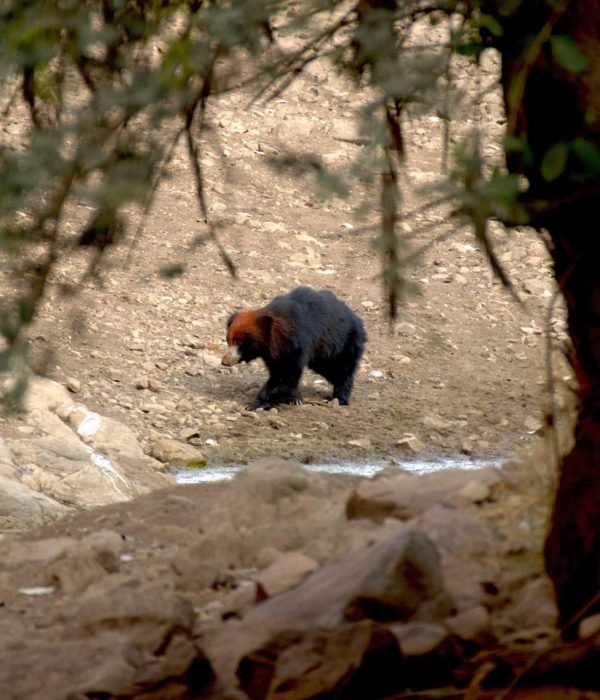
Best time to Visit for a Safari: November to May
Recommended Tour Duration: 3 Nights Minimum
Key Highlights: Tigers, Slot Bears, Boat Safari, Migratory Birds
Best Way to Reach: By air the nearest airport is Bhopal which is 220 kms apart taking 4 hours approx of further travel. For rail preferring traveller, itarsi, pipariya, sohagpur and Bhopal can be used. By road Satpura connects well from Bhopal, Jabalpur, Pench National Park and Tadoba National Park as further connection.
Top Places to Stay: Reni Pani Jungle Lodge | Denwa Backwater Escape | Bori Safari Lodge
Special Mention
8th Place to Include in India Tiger Safari
Kaziranga National Park offers tiger sightings but major attraction will be One Horned Rhinos and Elephant safari. Kaziranga is a very diverse ecosystem supported by Brahmaputra river.
Brahmaputra floods the national park once very year which supports the elephant grass and vegetation of the tiger reserve.
Assam
Kaziranga
National Park
Kaziranga, located in Assam, India and a UNESCO World Heritage Site, is situated along the floodplains of the Brahmaputra River and is a valuable store of biodiversity. This sanctuary is famous all over the world for supporting two-thirds of the total population of one-horned rhinoceroses and many other forms of wildlife.
For nature lovers and people looking for some adventure, Kaziranga provides the best safari experience which provides a firsthand experience of being surrounded by wildlife and beautiful scenery.
The best time to discover Kaziranga is during the period November to April when the park is accessible, and the climate is cool, moderate 5°C to 25°C. This is the dry time and has a clear vision and the best time to see wildlife as animals are drawn to water sources.
November to February is the best time to watch birds as there are many migratory birds while March and April are relatively warm and more likely to see tigers and rhinos. The park is closed from May to October due to the monsoon when the Brahmaputra floods the park and makes travel impossible and unsafe.
The Kaziranga National Park is a light in the darkness and a heaven for safari lovers. Regardless of the means of transport, be it an elephant or a jeep, the nature reveals itself to the guests. For this wildlife experience, organize your tour between November and April.
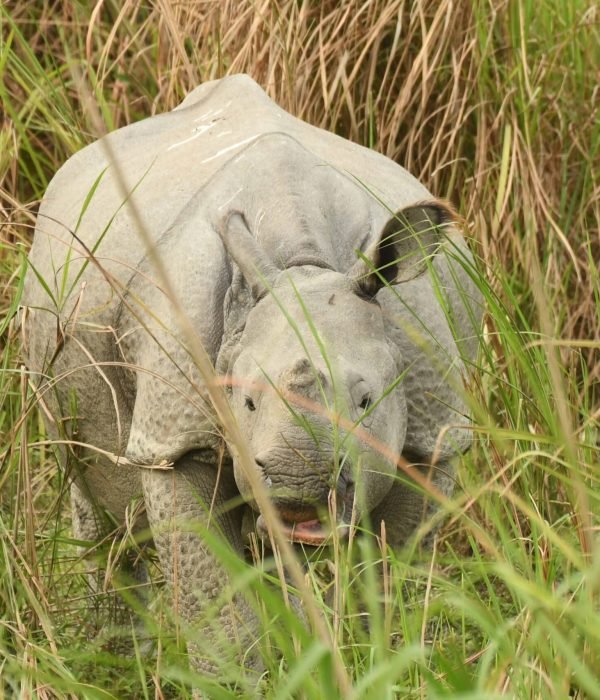
Best time to Visit for a Safari: November to April
Recommended Tour Duration: 3 Nights Minimum
Key Highlights: One Horned Rhinos, Indian Elephants, Wild water Buffalo, Ganges river dolphin
Best Way to Reach: Kaziranga can be reach from Jorhat and Guwahati airports. Nearest railway station is Furkating. By road, Guwahati and Jorhat offer very good connectivity.
Top Places to Stay: Diphlu Safari Lodge | Iora The Retreat | Borgos the Heavan
Our Recommended
India Tiger Safari Tours
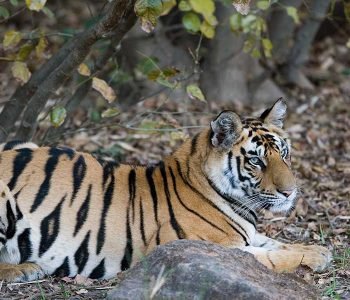
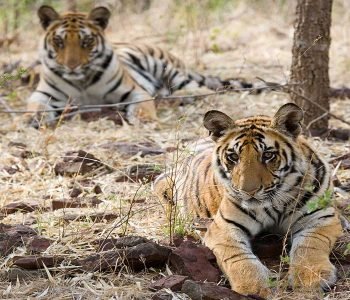
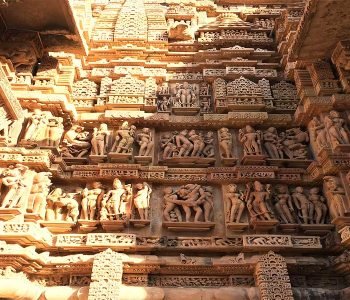
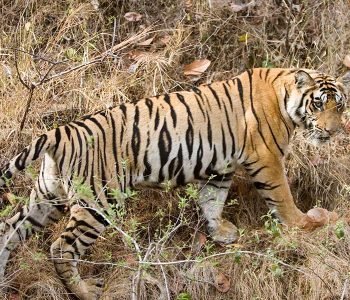
Our Indian Safari Experts have created some tailormade itineraries. These Bespoke experiences can be woven as per your travel style.
You may be oriented to travel for Only Tiger Safari, some culture and wildlife we have the perfect travel plan for you.

Testimonials


Why us
Tailor Made 100%
We design your holiday specifically to your requirements
Discover your interests at your own speed and travel style
Accommodations as per your preferred stay type
Our safari specialists create your perfect holiday
Local Knowledge
All our specialists have travelled extensively to travel regions
Point of contact – a specialist will handle your trip from start to finish
Your Budget and Time are important, we help you make the most of it
The Best Guides
A good guide is the difference between good trips and memorable ones
The best available guides are handpicked by us
We provide real insight into the country – cultures, wildlife and locals
Service Pillar
24/7 emergency India support while travelling with us
Frequently Asked Questions
The best tiger safari in India can be done in Ranthambore, Bandhavgarh, Kanha, Pench, Tadoba. Also Satpura for a special mention due to diversity.
The no. 1 jungle in India will be Ranthambore due to the tiger sightings, bio diversity, wildlife at offers and the landscapes making the jungle experience memorable.
India is the best place for safari at par with Africa. In India for safari , travellers should go to Ranthambore, Kaziranga, Satpura and Pench.
Jim corbett should be preferred over Tadoba cosnidering the wilderness Jim Corbett offers. The lanscape of the jungle is more immersive for a holistic wildlife.
Ranthambore should be preffered over Bandhavgarh due to the tiger amount of tigers and frequent sightings.
The Indian big 5 for safari are Tigers, elephants, sloth bears, leopards and one horned rhino. Found in Ranthambore, Kaziranga, Satpura, Pench.
Stripes Unleashed: Where India’s Safaris Roar Loudest
Comparison between top tiger safari parks in India
( All the parks are closed during monsoon, July to September )
| National Park | Location | Area | Tiger Population | Landscapes | Focus Species | Time to visit | Nearest airport |
|---|---|---|---|---|---|---|---|
| Madhya Pradesh | 940 km² | Dense Sal and Bamboo forests with rolling grasslands, offering varied landscapes | Tigers, Leopards, Sloth Bears, Wild Dogs, Swamp Deer, Fox, Jackals, Gaur and over 300 bird species | ||||
| Madhya Pradesh | 1,536 km² | The park is set in a rich Sal forest with ancient caves and ruins that add a historical dimension to the safari. | Tigers, Gaur, Sambhar Deer, Foxes and over 270 bird species. | ||||
| Madhya Pradesh | 758 km² | Dry Deciduous Teak forest it is a mix of dense, open meadows, and riverine habitats, offering an excellent opportunity for wildlife sightings. | Tigers, Leopards, Wild Dogs, Jackals, Gaur, Sloth Bear and over 250 bird species. | ||||
| Madhya Pradesh | 542.67 km² | The Ken River runs through the park, offering stunning landscapes and increased chances of tiger sightings near the riverbanks. | Tigers, Leopards, Sloth bears, Hyenas, Crocodiles, Jungle Cat and a variety of bird species, including the endangered Indian vulture. | ||||
| Madhya Pradesh | 1,427 km² | Its dense forests and rugged terrain make it perfect for those seeking a more off-the-beaten-path experience | Tigers, Leopards, Wild Dogs, Sloth Bears Gaur, Giant Squirrels, Black Bucks, Crocodile and a wide variety of birds including migratory water birds. | ||||
| Maharashtra | 625 km² | Tropical dry deciduous forest with Teak and Bamboo as the major plant species. It is a more open forest offering better visibility and has several lakes. | Tigers, Leopards, Sloth Bears, Foxes, Jungle Cat, Wild Dogs and a variety of birds. |
Reach us through
- +91 886 068 0660
- info@tigersafaritoursindia.com
- info@rustictrailsindia.com
-
Office Address:
337, Block Q, Groundfloor, South City I, Gurugram, Haryana -
Registered Address:
House no. 42J, Block H, Palam Vihar Extension, Gurgaon, Haryana – 122017