
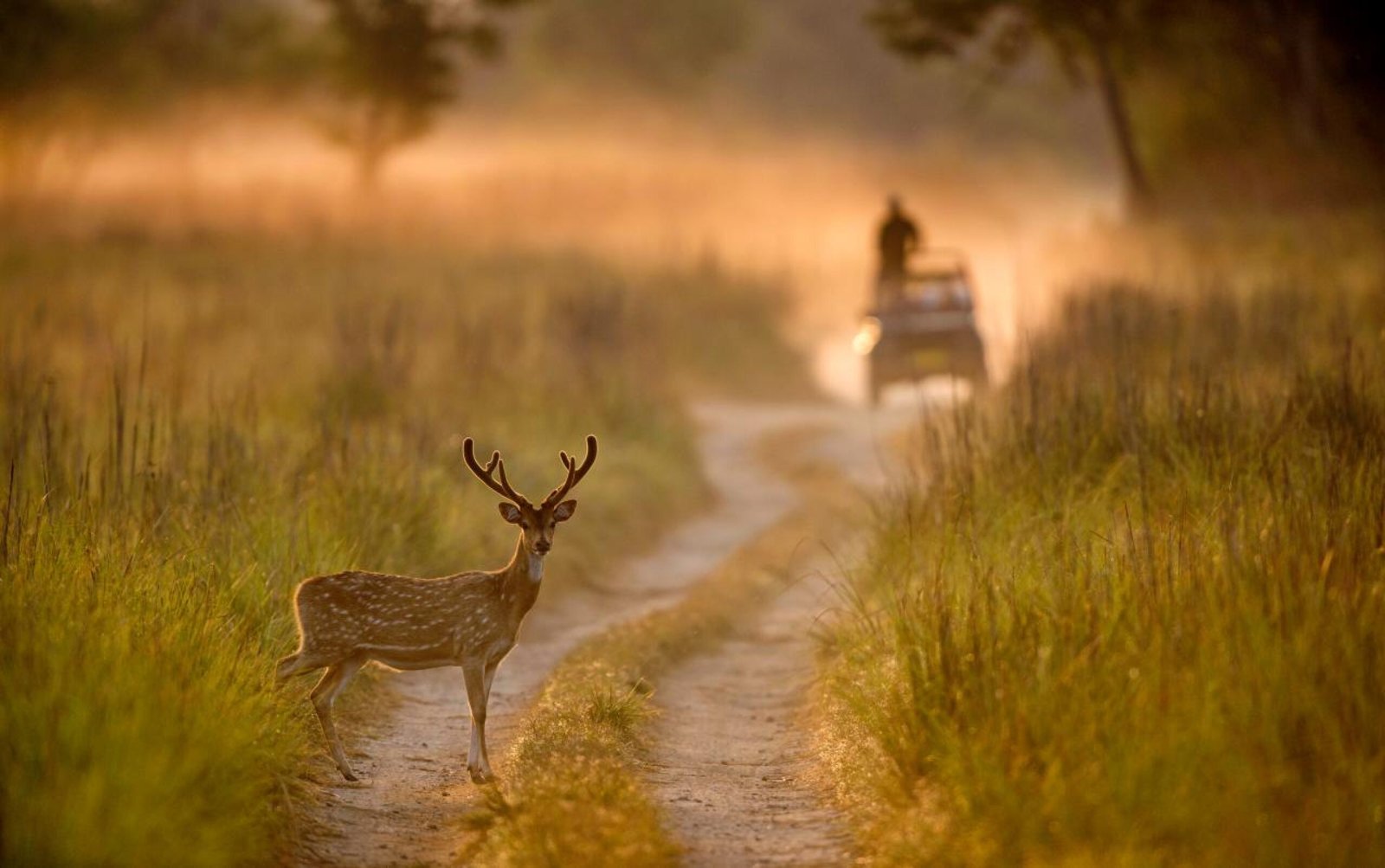
All 9 Types of Wildlife Safaris in India and finding which one is right for you.
First, you hear the alarm call.
A nilghai stands poised beside the track. A langur gazes into the underbrush. Your guide raises a hand, and the vehicle is quiet.
Further across the dusty grey grass, something pushes through.
This is the moment most wander lusting travellers dream of when they picture a wildlife safari in India. The experience is quite different if you are in an open jeep, speeding past a lake, wading deep in the woods or riding quietly through a wetland.
Depending on your chosen safari mode, you will cover different amounts of ground, pay attention at varying degrees to the landscape, feel more or less comfortable and even see different types of wildlife.
So, it is better to get familiar with the different ways you can visit India’s national parks before booking a vehicle.
Table of Contents
The Importance of Your Safari Selection
A safari is more than just travelling through a jungle.
With a jeep you can cover many habitats in one morning. A boat gets you closer to riverbanks where the animals come to drink. A guided walk shows tracks, leads to pugmarks and feathers and alarm calls that can easily be missed from a vehicle.
It is also important to note that there is no single “best” safari. There is only the experience according to your highest interest.
Expecting to shoot snippets of a Tiger? Travelling with children? Looking for birds? Do you like to understand the forest rather than racing for a sighting?
Your answers will assist you with selecting the correct adventure!
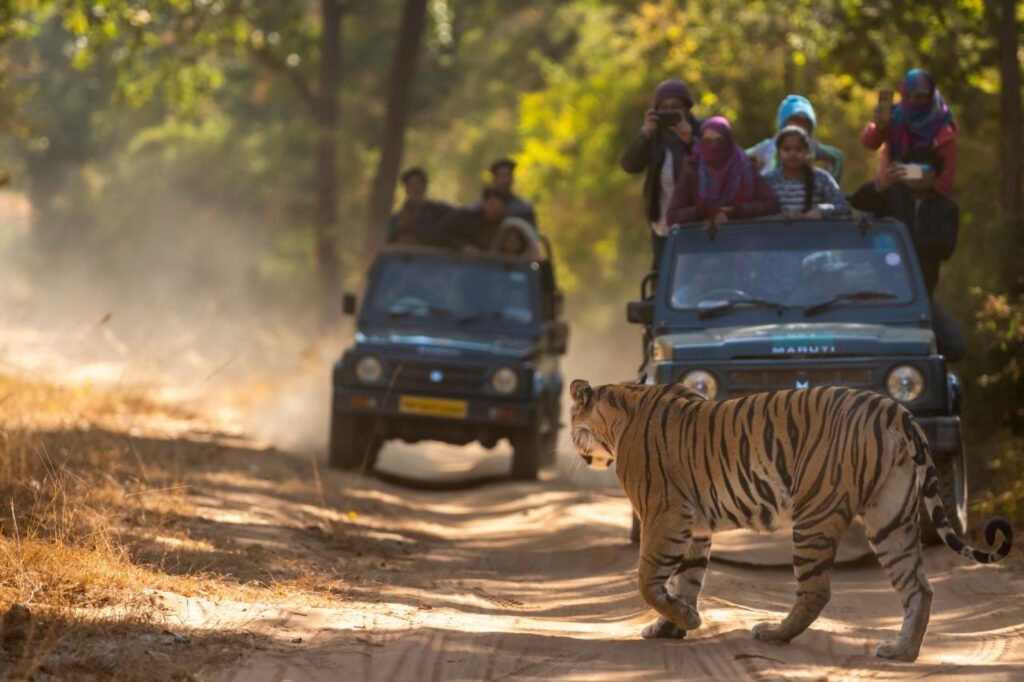
Jeep Safari- The Traditional Indian Jungle Safari
A hosted, open jeep safari provides most visitors with the definitive introduction to national parks of India.
These small vehicles allow you to drive easily, on narrow forest tracks with passengers having a good perspective of the landscape. Being open on the sides and roof makes wildlife watching, following animal calls and photograph sudden sightings easier.
Jeep safaris can be best for:
- First-time safari travellers
- Couples and families
- Wildlife photographers
- Visitors trying to check off many habitats
- For those voyagers who wish to indulge in a more bespoke travel experience
Jeep usually accommodates limited number of guests plus a driver and a guide and/or forest department naturalist. The exact capacity and vehicle type varies from park to park but fewer passengers almost always equals better visibility (and space for cameras).
If you plan on doing any real photography however, it is usually worth paying the additional fare and booking a private jeep. This gives you more freedom to change your position without fighting for space each time an animal pops in. Keeping in mind the fact that availability, zones and booking procedures can change, always try to make a reservation directly with the competent forest department or authority.
Should you do a jeep safari?
Choose it, when you want freedom of movement, a comfortable design, and an opportunity to see the park (or its parts) for no more than a few hours.
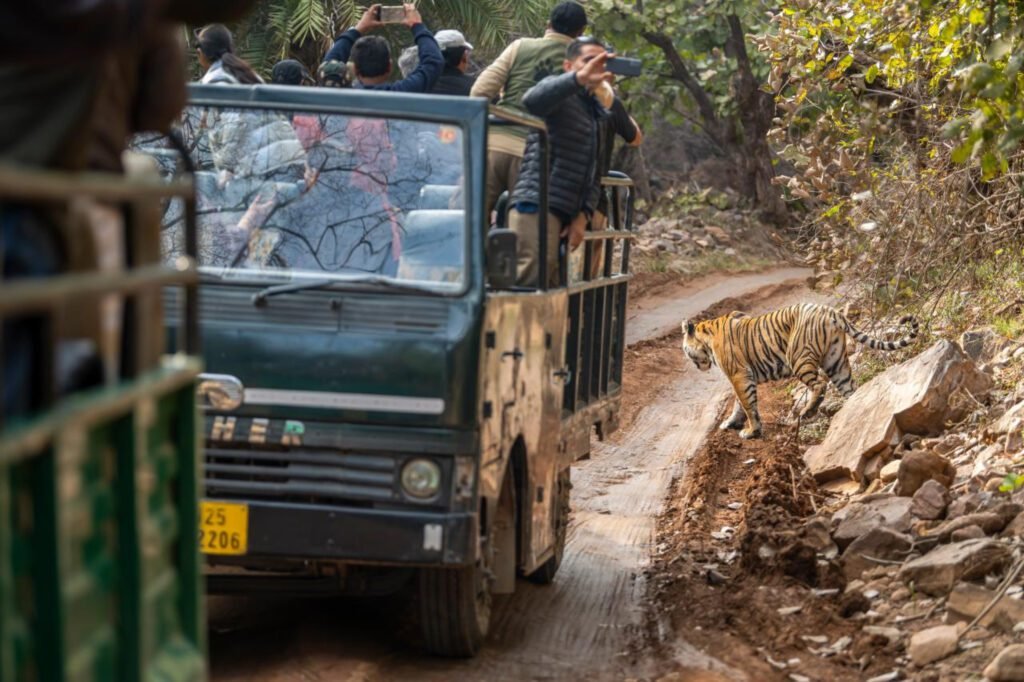
The Canter Safari: A Practical Group Vehicle
A canter is a more open vehicle made to transport more passengers than a jeep.
Not as private or manoeuvrable as a smaller vehicle, but it can still deliver an adventure. Canter safaris especially benefit large families & group of travellers along with those who are unable to book a jeep safari during the peak season.
The elevated seating position enables a comprehensive view of grasslands and open spaces. The volume of passengers could, however, hinder your ability to transition swiftly from one side to the next when an animal abruptly walks into view.
Canter safaris work best for:
- Especially large groups who want to take the journey together
- Budget-conscious travellers
- Visitors booking during peak season
- Casual wildlife enthusiasts
- Families comfortable with a shared experience
Do not think larger vehicle means fewer sightings. Wildlife doesn’t make an entry that you came in a jeep or a canter. Far more important are patience, timing, the habitat conditions and perhaps a well-informed guide.
Should you do a canter safari?
Use it if sticking together as a group is better than having your own car.
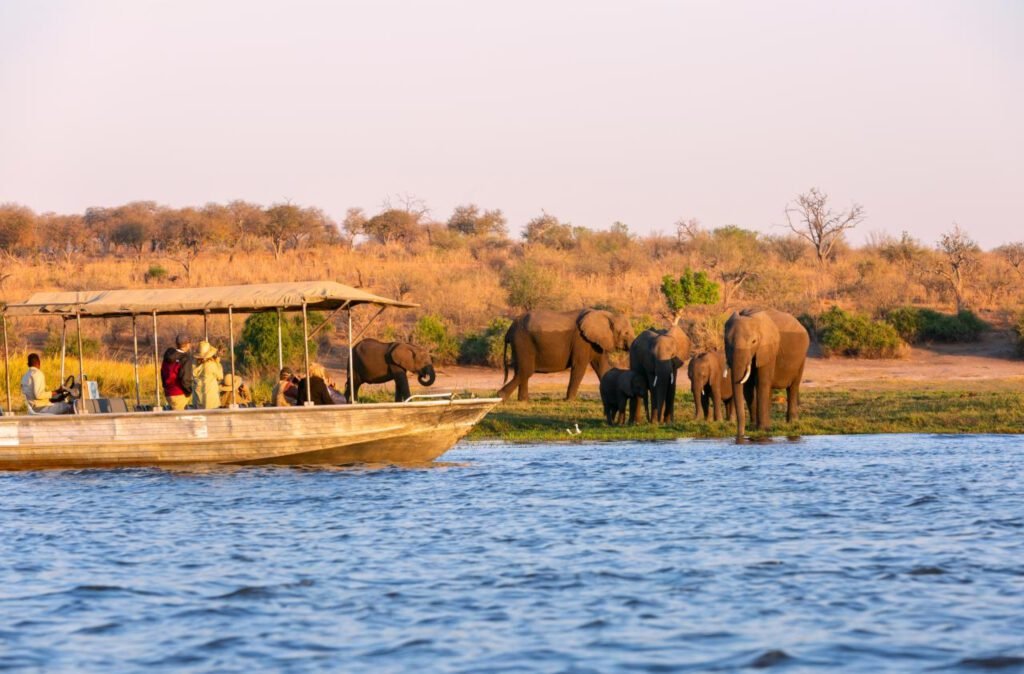
Boat Safari: Watch the Forest Come to Water
The boat safari will reveal a completely different aspect of the wilderness to you.
No more following dull forest roads, you navigate slowly along a lake, river or wetland. Not nearly as raucous but a cooler and more laidback activity than a car safari.
Watch the banks and it is possible that at first you see drinking deer, elephants stepping forth from amongst trees, crocodiles basking among silted sunshine or waterbirds fishing about reeds.
Boat safaris are excellent for:
- Birdwatchers
- Families with older children
- Landscape photographers
- Ideal for Travellers who want a gentle experience
- Anyone interested in aquatic wildlife
Shooting from a moving boat doesn’t fall into the faint of heart category. Crank up your shutter speed, secure the gear and don’t pan quickly to the side.
Are You a Candidate for Boat Safari?
Pick it if you enjoy quiet observation, birdlife and expansive views of animals close to water.
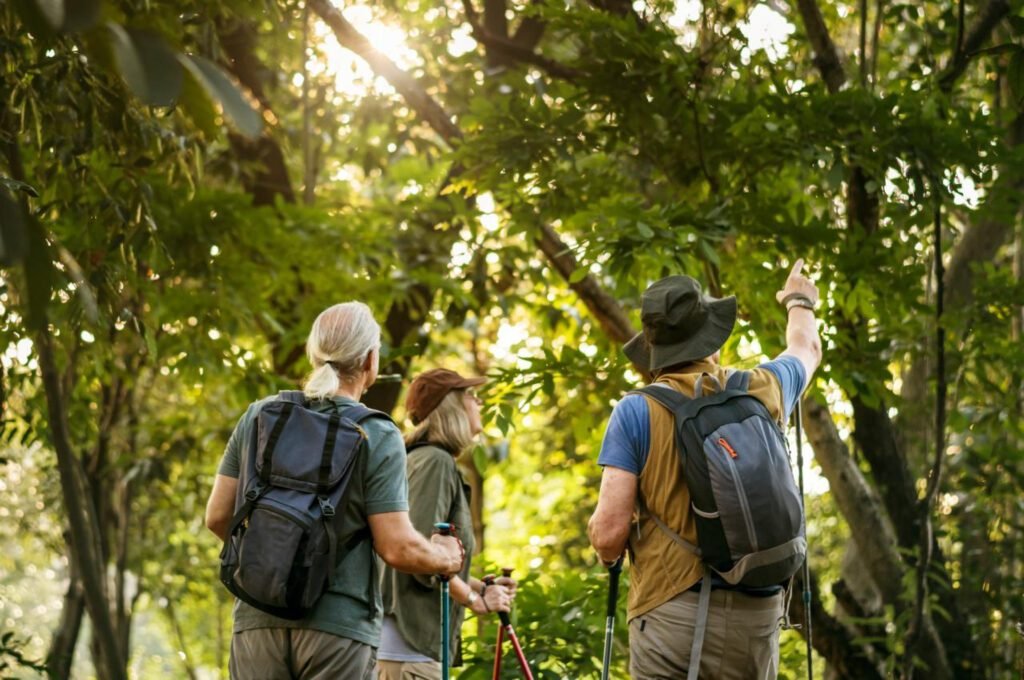
Walking Safari: Learn Reading the Jungle
When you’re in the car, a forest is almost like a background.
On foot, it becomes a story.
A well-trained tracker could easily point out a brand-new paw print versus an old one, help you understand why the birds suddenly went quiet or describe the scratches on a tree that would escape your attention from inside a jeep.
Walking tours are only held in specific and safe areas. Such offers are usually held in non-core habitats such as buffer forests and controlled ecotourism zones or approved trails instead of unrestricted core habitats.
Walking safari can be best for:
- Natural-history enthusiasts
- Birdwatchers
- Active travellers
- Repeat safari visitors
- Those who are keen in: tracks, plants and small species
Do not expect a walking safari to be simply a slower jeep drive. It’s a totally different experience. It is not about getting close to big animals. It’s going to be figuring out how the whole ecosystem integrates.
Wear neutral clothes, closed walking shoes and no perfume or as little as possible. Even more important, do everything your guide says to do.
Should you do a walking safari?
Choose it when you want to understand the forest rather than simply travel through it.
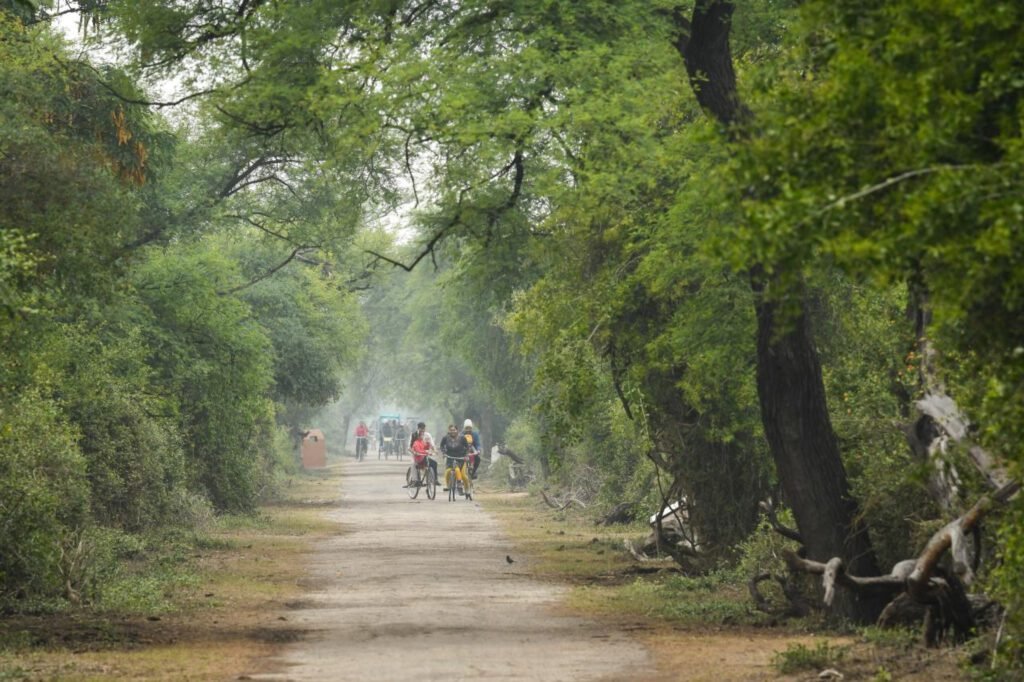
Cycling Safari: Alternate Exploration of Wetlands and Buffer Zones
Cycling opens wildlife travel to adventure and freedom, especially at birding places and specific buffer surroundings.
In places such as Bharatpur’s Keoladeo National Park, where visitors either walk or pedal slowly on bicycles, the absence of petrol engines enables constant stops to explore habitat rich in birds and wetland.
Cycling is best suited to:
- Independent birdwatchers
- Active couples and solo travellers
- Slow-travel enthusiasts
- Visitors carrying lightweight photography equipment
- Travellers comfortable identifying common species
If you require a lot of assistance, or if you’re carrying heavier camera kit on board, you’re most likely not going to want a bicycle. Otherwise, you might also choose to have a cycle rickshaw for more comfort.
Should you do a cycling safari?
Pick one when you like to set your own pace and stop a lot to watch both birds and views.
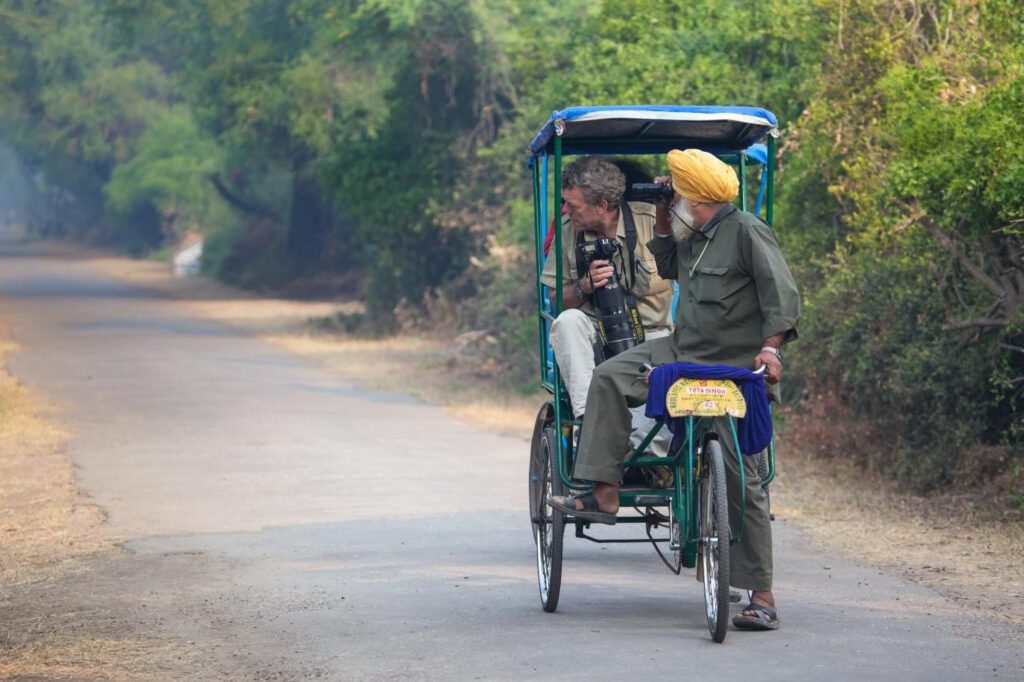
Cycle-Rickshaw Safari: Birding with the Local Expert
Don’t undervalue the man pacing behind the bicycle rickshaw.
For many years, dozens of rickshaw guides have been immersing themselves in the seasonal movements, breeding sites and favourite perches of resident birds in birding locations. Their local knowledge can turn a regular outing into an extremely rewarding nature experience!
A cycle-rickshaw safari offers:
- A slower pace than motorised transport
- Binoculars and camera bag space
- Local guiding knowledge
- Easy stops for birdwatching
- A more comfortable option for visitors who prefer not to cycle
This is particularly useful for beginners, who often struggle to see birds entangled in foliage or tell calls apart.
Would Cycle-Rickshaw Safari be a good fit for you?
Opt for it if you want slower birding, accompanied by someone who understands the landscape.
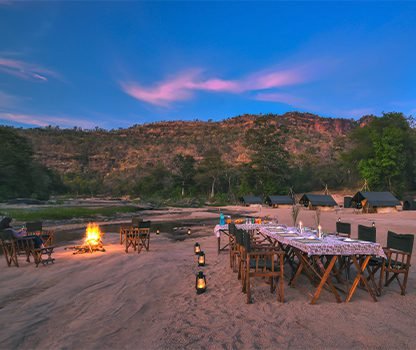
Camping Safari: Stay Long Enough to Listen to the Forest
A visitor walks in the forest where many animals are active during safari hours.
A camper senses what happens after the crowd has left.
In buffer zones, community-managed areas or permitted wilderness camps near protected landscapes camping encounters could be organized. Others incorporate tents with hiking/hiking, birdwatching, rafting or guided natural history.
The appeal is not luxury. It is atmosphere.
With evening fading and light disappearing, sounds we may have grown accustomed to are replaced by nightjars, insects, owls and distant alarm calls. Before the first cars enter the forest at dawn, mist clings over the grass.
Camping suits:
- Experienced outdoor travellers
- Small groups
- Landscape and nature photographers
- Trekkers
- Travellers looking for a more immersive experience
Make sure that the programme has an official permission, check what facilities are offered and if a trained naturalist or forest staff is accompanying the group.
Is a camping safari right for you?
Choose it if you seek immersion and ability to trade hotel comforts for a deeper bond with nature.
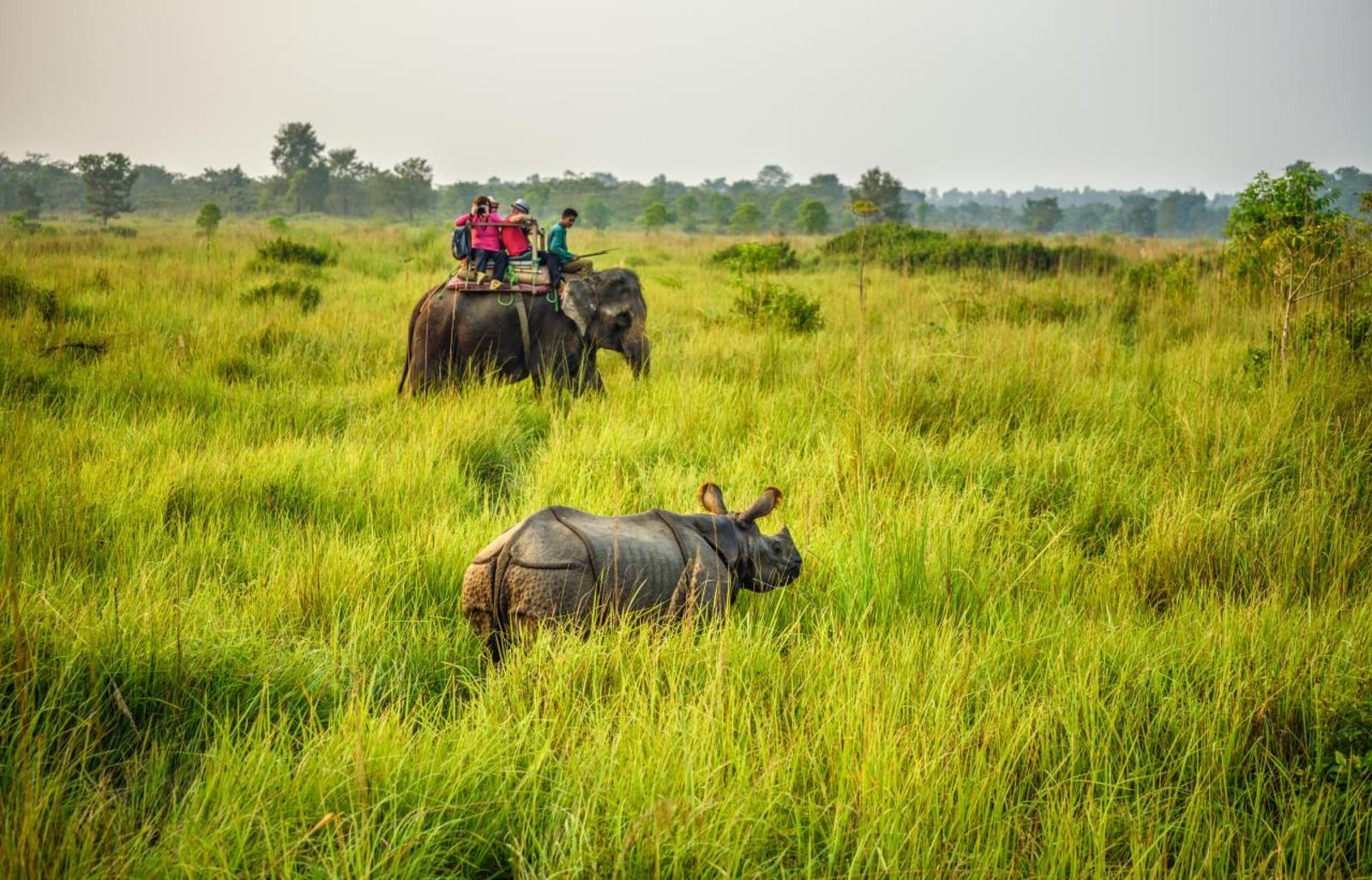
Elephant Safari: An Experience, but One to Consider Carefully
A limited number of elephant rides have long been on the menu at several wildlife destinations, such as parts of Assam. In Kaziranga, elephant and jeep safari are now officially part of tourism information, though availability, capacity (and operating ranges) may vary seasonally.
However, in relation to captive elephants used for tourism purposes, modern travellers are more cognizant of the needs and welfare of those elephants.
Before booking, ask important questions:
How do they keep and handle the elephants? How many working hours do they avail? Are harsh training methods used? Does the operator abide by credible welfare standards?
An activity being available does not mean that this is the right choice for every traveller. Nevertheless, travellers who shy away from animal rides can opt for a jeep safari and still have wonderful wildlife viewing.
Should You Do an Elephant Safari?
Take a well thought decision once either in consideration of animal welfare, existing park rules and regulations and safe alternatives.
How to Select the Right Safari in India
Consider what experience you want to carry home.
Jeep safari is the most versalile and classic form of wildlife viewing.
Opt for a canter safari if you are travelling in large numbers or during peak season.
For waterbirds, crocodilians and animals coming to the shoreline, go for a Boat Safari.
Opt for a walking expedition to get educated on footsteps, calls, plants and woodland ecosystem.
For gentle birdwatching in the wetlands, take part in a cycle or cycle-rickshaw safari.
Select camping experiences, when immersing in nature is more significant than checking species off the list.
There are those who combine two or more safari styles. Participating on a jeep safari in the morning followed by taking either boat ride or a nature walk afterwards surely tells u more than repeating this same pattern again.
Essential Safari-Booking Tips
Safari permits are regulated by respective State Forest Departments and appropriate Park authorities. Each destination has different booking windows, identification requirements, vehicle capacities, zones and cancellation rules.
For popular parks, particularly at weekends, public holidays or in peak wildlife season book ahead as early as possible.
Employ the identical ID for booking and park access. Reach early before report time, have water in a reusable bottle, wear comfortable and neutral clothes.
That said, your biggest red flag should be operators who guarantee you tiger sightings. A quality safari specialist can make planning, guiding and logistics better but no ethical professional can physically tame a wild beast.
Responsible Safari Etiquette
The best wildlife experiences are often on days when visitors stop attempting to manage the forest.
Keep conversations low. Never ask the driver to chase or block an animal. No recorded calls to lure the birds in. Do not feed wildlife; litter or request that a guide get closer than directed by an operator’s regulations.
True wildlife photography should never be at the cost of an animal’s comfort.
It does not require the company of ten other vehicles clustered like vultures around a tiger resting by the side of a track. A camera thrust into the space of a nesting bird does not help. Step back and acknowledge that you are the visitor visiting someone’s home.
Frequently Asked Questions
1. Which safari to book for first timers?
For first timers a jeep safari is the best all round option as it offers mobility, good visibility and access to different habitats. For a greater variety of experience, you can include Boat, Walking and Cycling safaris.
2. Are jeep safaris safe?
Authorised jeep safaris are done in specific routes with trained drivers and guides. Visitors need to keep sitting, follow the rules and not try to approach wild animals.
3. Is a canter safari better than a jeep safari?
A jeep provides more privacy since canters are generally more suited for larger groups and group travellers who are looking for a shared or economical solution.
3. Is wildlife safari for kids?
While many of the parks allow access to children, there are age restrictions on certain walking, rafting and camping programmes. Safari duration, reporting time (early in the morning) and silence should also be considered.
4. Is seeing a tiger guaranteed?
No. Tigers are open land animals roaming around wide-ranging zones. Sightings are determined by habitat, weather, season, chance and time in park.
5. When to book a safari in India?
Must-visit parks and popular areas may be sold out long before your day of visit. Early booking is advisable, but the actual reservation timings depend on the destination and may be confirmed through official forest department portals.
The greatest safari, however, is the one that makes you look at forest differently.
The best safari might not be getting the longest wildlife list possible.
It may just be the morning you sit in an open jeep and stare at sunlight fading through sal trees. In the afternoon when a family of elephants comes out of the jungle next to a lake. The still walk in which your guide points out a leopard track in the dust.
There are numerous ways to enjoy Indian wilderness. They each change your pace, your perspective and the parts that you observe.
Select the experience based on your curiosity, travel style and comfort level.
Then slow down.
The forest tends to show its nice stories, to those who are willing to listen.Planning for a wildlife safari in India? Talk to a consultant who knows which national parks, safari type and time of year fit the experience you desire.